
Dalton's industrial base, from flooring and carpet manufacturing plants to distribution centers and processing facilities, places heavy demands on a roofing system. Equipment vibration, rooftop HVAC loads, chemical byproducts, and constant operational activity all take a toll that standard commercial roofing isn't always built to withstand. A Quality Roof
provides industrial roofing services in Dalton, GA designed around the specific stresses these facilities face day to day.
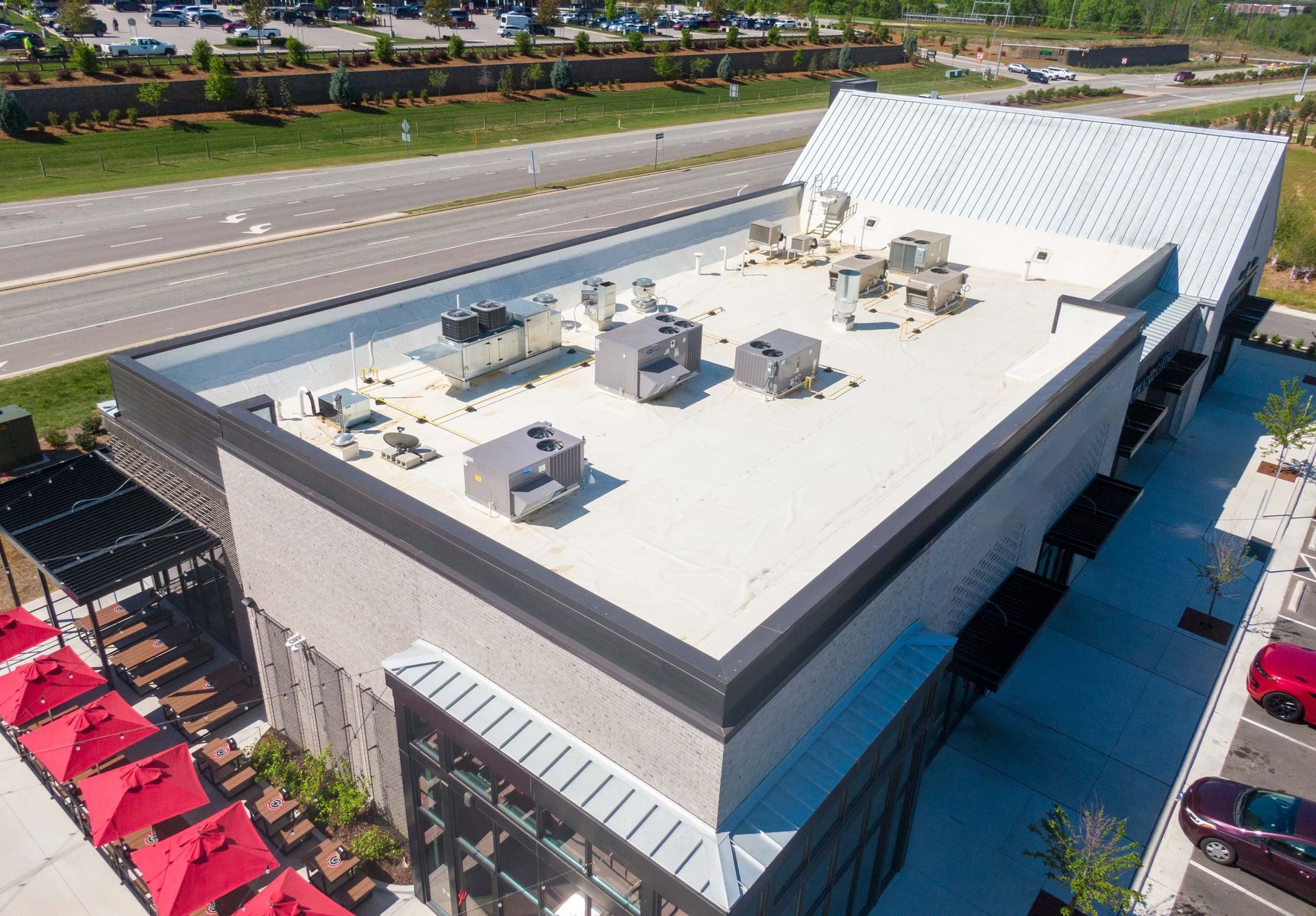
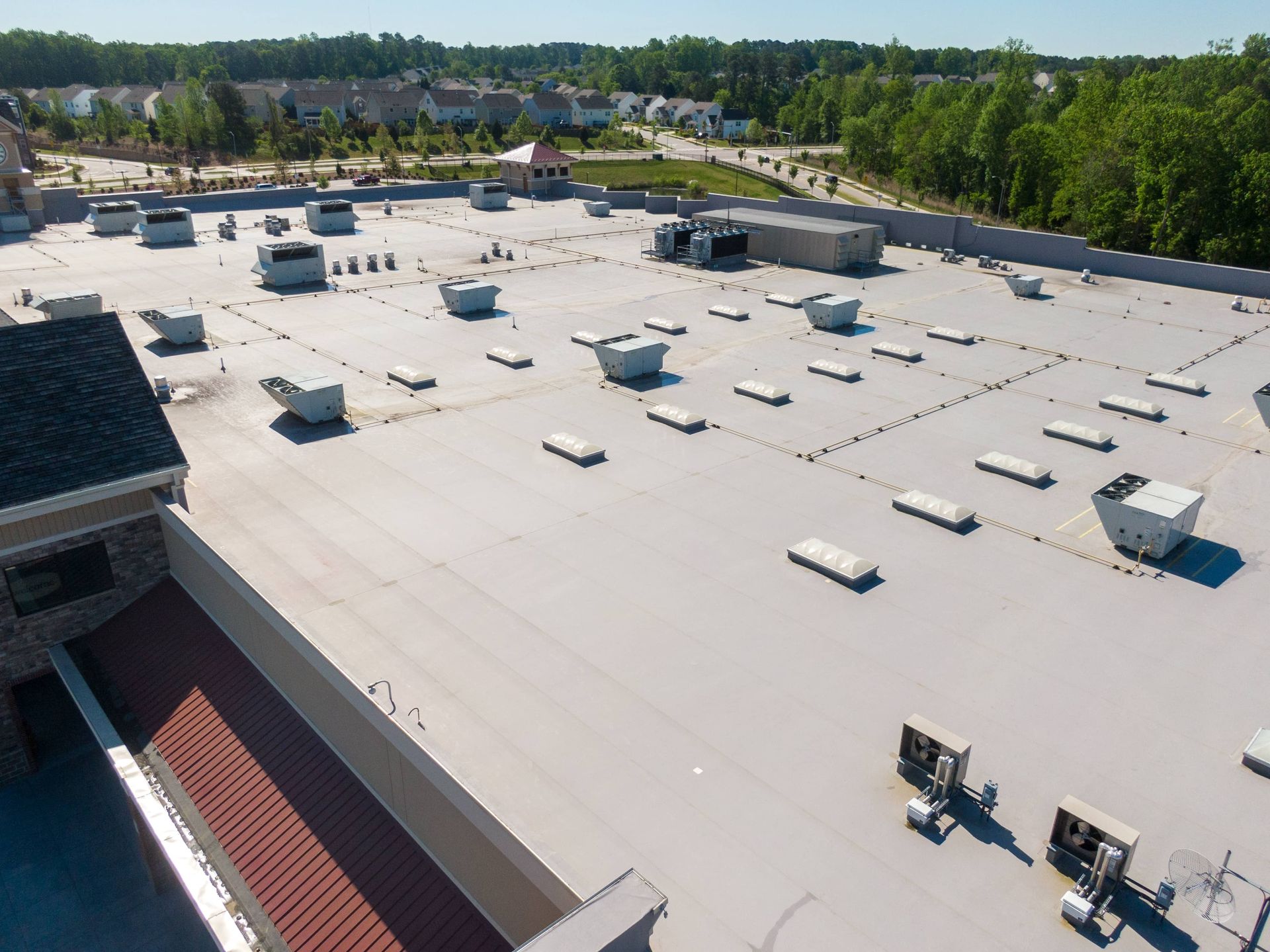
Industrial Roof Installation for Manufacturing and Processing Facilities
Industrial buildings require roofing systems that account for structural load, ventilation needs, and exposure to airborne particulates or chemical residue common in manufacturing environments. We assess your facility's operations before recommending a system, since a roof over a dye house or fiber processing area has different requirements than one over a warehouse or shipping dock.
Installation projects are planned around your production schedule wherever possible, since industrial facilities often can't afford extended shutdowns. We coordinate phased installation approaches for large facilities so sections of the building remain operational while work continues on adjacent areas.
Roofing Systems
Suited to Industrial Use
Single-ply TPO membranes offer chemical resistance that suits facilities dealing with airborne fibers, dust, or processing byproducts. Standing seam metal systems provide structural strength for buildings with heavy rooftop equipment loads. Built-up roofing with multiple layers adds durability for facilities with constant foot traffic from maintenance crews accessing HVAC and exhaust systems. Modified bitumen systems hold up well in areas exposed to higher heat output from industrial processes below.
Roof Repair for Industrial Buildings
Industrial roofs face different failure points than typical commercial buildings. Rooftop equipment penetrations for exhaust systems, ductwork, and machinery vents create more opportunities for leaks and membrane wear. Our repair work in Dalton addresses these facility-specific issues rather than applying a generic repair approach.
We work on leaks around equipment curbs, deteriorated flashing near exhaust stacks, and membrane damage caused by chemical exposure or extreme rooftop heat. Because industrial roof failures can affect production equipment, inventory, or worker safety below, we prioritize response times for facilities reporting active leaks.
Industrial Roof Issues We Commonly Encounter
Chemical degradation of membrane materials near exhaust or processing vents tends to accelerate wear compared to standard commercial buildings. Structural stress points around heavy rooftop equipment, such as chillers or large HVAC units, often develop cracking or membrane separation. Thermal shock from repeated heating and cooling cycles near exhaust stacks can cause premature material fatigue. Drainage failures are more consequential in industrial settings, where ponding water near equipment can lead to costly downtime.
Preventive Maintenance Programs for Industrial Roofs
Unplanned roof failures at an industrial facility can halt production, damage equipment, and create safety hazards. A structured maintenance program catches deterioration early and gives facility managers a clear picture of the roof's condition before problems escalate.
Schedule a maintenance inspection before your next seasonal shutdown.
What Our Industrial Maintenance Visits Include
Inspection of all rooftop equipment penetrations, curbs, and flashing for early signs of separation. Evaluation of membrane condition in areas exposed to heat, chemical residue, or heavy foot traffic. Drain and scupper clearing to prevent ponding near sensitive equipment areas. A written report documenting roof condition, useful for capital planning and insurance purposes.
Roof Documentation and Compliance Support
Industrial facilities often need roof condition documentation for insurance policies, safety audits, or corporate compliance requirements. We provide detailed reports covering current roof condition, identified risk areas, and recommended timelines for repair or replacement. This documentation also supports capital expenditure planning when facility managers need to budget for future roofing work.
Serving Dalton's Industrial and Manufacturing Sector
A Quality Roof
has worked on facilities throughout Dalton and Whitfield County's industrial corridor, including buildings tied to the region's flooring and carpet manufacturing industry. That background gives us a working understanding of the equipment loads, ventilation setups, and operational schedules common to these facilities, which shapes how we plan and execute every project.
Request a quote for industrial roofing work in Dalton, GA.
Frequently Asked Questions
What makes industrial roofing different from commercial roofing?
Industrial roofing typically deals with heavier equipment loads, chemical exposure, and higher foot traffic from maintenance access, requiring more durable membrane systems and reinforced structural planning.
How long does an industrial roof last?
Depending on the system and maintenance history, industrial roofs typically last between 20 and 40 years, with metal systems often lasting longer than single-ply membranes.
Can industrial roofing be installed without shutting down operations?
In many cases, yes. Phased installation approaches allow work to continue on one section of the roof while operations continue underneath other areas.
What causes premature wear on industrial roofs?
Chemical exposure, rooftop heat from exhaust systems, and physical stress from heavy equipment are the most common causes of accelerated wear on industrial roofing systems.
How often should an industrial roof be inspected?
Industrial roofs should be inspected at least twice annually, with additional inspections scheduled around planned facility shutdowns or after severe weather events.
What roofing material handles chemical exposure best?
TPO membranes are generally more resistant to chemical exposure and airborne particulates than other single-ply roofing options, making them a common choice for processing facilities.
How much does industrial roof repair cost?
Costs vary widely based on facility size, damage extent, and roofing material, ranging from a few hundred dollars for minor repairs to tens of thousands for large-scale structural work.
Do industrial roofs need special support for HVAC equipment?
Yes. Rooftop HVAC and exhaust systems require reinforced curbs, proper flashing, and structural support to prevent leaks and membrane stress around penetration points.
What is the best time to schedule industrial roof maintenance?
Many facilities schedule roof maintenance during planned production shutdowns or slower operational periods to minimize disruption.
Can weather damage be documented for insurance claims?
Yes. A detailed roof inspection report following a storm or severe weather event provides documentation that supports insurance claims for wind, hail, or water damage.
How do I know if my industrial roof needs replacement versus repair?
If damage is isolated and the membrane is otherwise in good condition, repair is usually sufficient. Widespread wear, recurring leaks, or a roof nearing the end of its expected lifespan typically points to replacement.