
A new roof is one of the most significant investments a property owner will make, and the quality of the installation determines how well it performs for decades. A Quality Roof
provides roof installation in Dalton, GA for residential and commercial properties, working with materials and installation methods suited to the humidity, storms, and temperature swings common to North Georgia. Whether you're building new construction or replacing an aging roof, getting the installation right the first time avoids costly problems later.
Planning Your Roof Installation
Before any materials go on the roof, we evaluate the structure, existing decking condition, ventilation setup, and drainage patterns of your property. This step matters because installing a new roofing system over compromised decking or inadequate ventilation leads to problems regardless of how good the roofing material is. We also factor in your home or building's slope, sun exposure, and local weather patterns when recommending a system.
For new construction projects, we work directly with builders and contractors to ensure the roofing installation aligns with the overall building timeline and specifications. For replacement projects, we assess whether the existing decking can be reused or needs replacement before the new roof goes on.
Roofing Materials We Install
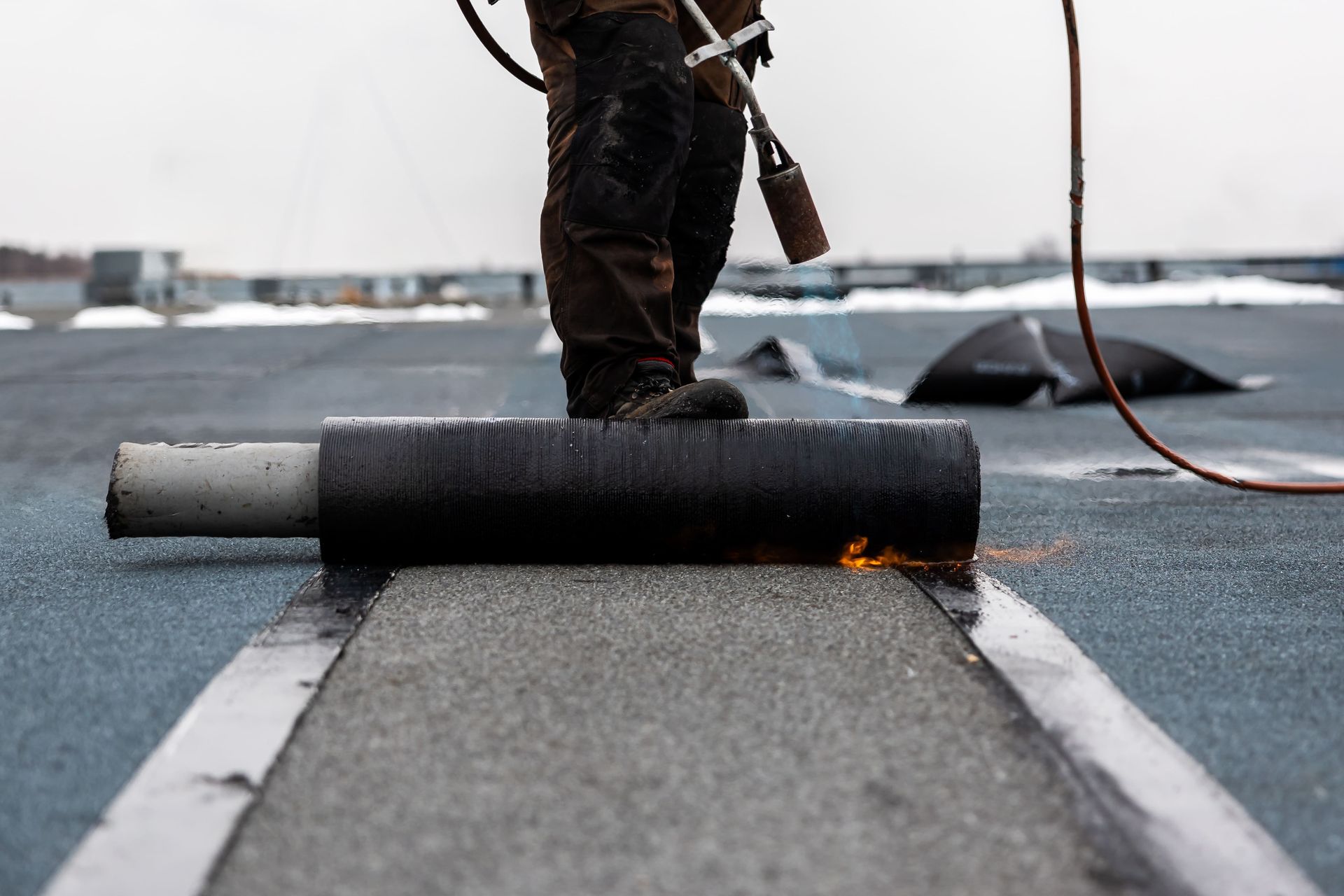
Asphalt shingles remain a popular choice for Dalton homeowners due to their balance of cost and durability against regional storms. Metal roofing offers a longer lifespan and better performance against wind and hail, which makes it a common choice for commercial properties. Architectural shingles provide added dimensional detail and wind resistance compared to standard three-tab shingles. Flat roofing systems like TPO and EPDM are installed on commercial buildings and additions with low-slope designs.
The Installation Process
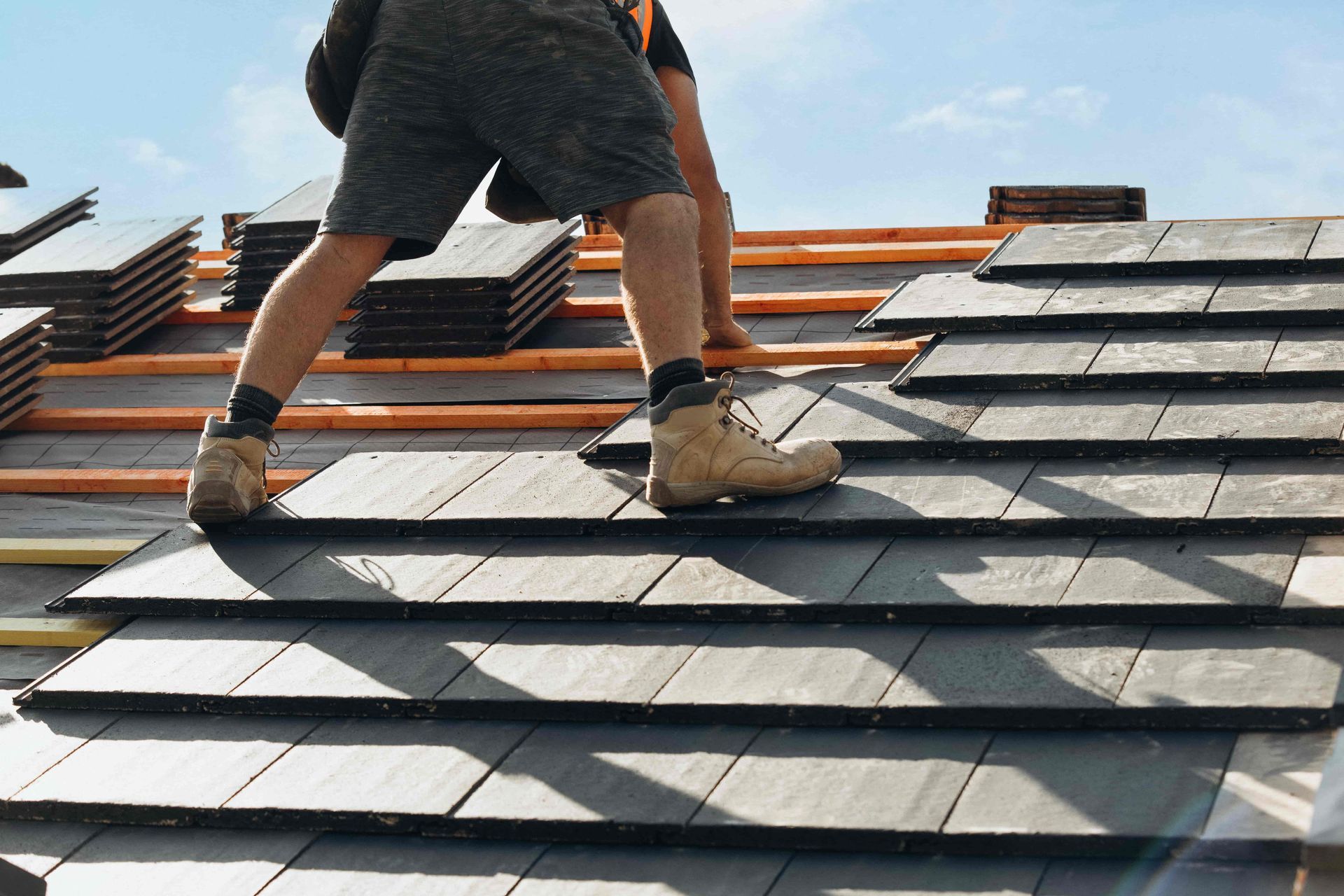
Every roof installation follows a structured sequence to ensure long-term performance. We begin with removal of the old roofing material when applicable, followed by an inspection and repair of the roof decking underneath. Proper underlayment installation comes next, which acts as a secondary water barrier beneath the roofing material. Flashing is installed around chimneys, vents, and valleys to prevent water intrusion at vulnerable points. The final roofing material is then installed according to manufacturer specifications to preserve warranty coverage.
Key Steps in a Quality Installation
Decking inspection and replacement of any water-damaged or rotted sections before installation begins. Ice and water shield application in valleys and around roof penetrations for added protection. Proper nailing patterns and fastener placement according to manufacturer and wind-rating requirements. Ridge vent or other ventilation installation to regulate attic temperature and moisture. Final cleanup and a walk-through inspection once installation is complete.
Ventilation and Structural Considerations
A roof installation isn't just about the shingles or panels on top. Proper attic ventilation extends the life of the roofing system by preventing heat and moisture buildup that can warp decking or degrade materials from underneath. We assess your existing ventilation setup and recommend adjustments, such as ridge vents or soffit vents, when the current system isn't adequate for the new roofing material.
Structural considerations also matter for buildings adding heavier materials, like transitioning from asphalt shingles to metal or slate. We verify the roof structure can support the new material's weight before installation begins.
Get a detailed installation quote based on your roof's specifications.
Warranty and Material Selection Guidance
Choosing the right roofing material affects both upfront cost and long-term performance. We walk property owners through the tradeoffs between material options, including expected lifespan, wind and impact resistance, and manufacturer warranty terms. Proper installation is also a requirement for many manufacturer warranties to remain valid, which is why installation quality directly affects your long-term protection.
Serving Businesses Throughout Dalton
A Quality Roof
installs roofing systems for commercial properties throughout Dalton and the surrounding Whitfield County area. Our familiarity with local weather patterns, building codes, and common construction types in this region informs every installation project we take on.
Request your roof installation estimate from A Quality Roof today.
Frequently Asked Questions
How long does a roof installation take?
Most residential roof installations take one to three days, while larger homes or commercial buildings may take longer depending on size and material complexity.
What is the average lifespan of a new roof?
Asphalt shingle roofs typically last 20 to 30 years, while metal roofing can last 40 to 70 years depending on the material and maintenance.
Do I need to replace my roof decking during installation?
Not always. Decking is replaced only if it shows signs of water damage, rot, or structural weakness discovered during the installation process.
What time of year is best for roof installation?
Roof installation can typically be done year-round, though spring and fall offer more moderate temperatures that can make installation slightly more efficient.
How much does a new roof installation cost?
Costs vary based on square footage, material choice, and roof complexity, ranging from a few thousand dollars for smaller asphalt shingle roofs to significantly more for metal or slate systems.
What roofing material is best for storm-prone areas?
Metal roofing and impact-resistant architectural shingles generally perform better against wind and hail than standard asphalt shingles.
Does new roof installation include gutter replacement?
Not automatically. Gutter replacement is typically a separate service, though it's often recommended to replace worn gutters at the same time as a new roof installation.
How do I know if I need a full roof replacement versus a repair?
Widespread shingle damage, multiple leak points, sagging areas, or a roof nearing the end of its expected lifespan typically indicate replacement is more practical than repair.
What is ice and water shield and is it necessary?
Ice and water shield is a waterproof membrane installed in vulnerable areas like valleys and eaves. It's a standard part of quality roof installations and helps prevent leaks in high-risk areas.
Will a new roof installation affect my homeowner's insurance?
A new roof can sometimes lower insurance premiums, since insurers often view newer roofing systems as lower risk for leaks and storm damage.
Do roofing manufacturers require professional installation for warranty coverage?
Yes. Most manufacturer warranties require installation by a certified or qualified contractor, and improper installation can void warranty coverage entirely.