
Dalton's humidity and shaded tree cover create ideal conditions for algae, moss, and lichen to take hold on roofing surfaces. What starts as a cosmetic issue can gradually damage shingles, trap moisture against the roof deck, and shorten the lifespan of the entire roofing system. A Quality Roof
provides roof cleaning and moss removal in Dalton, GA using methods that clear growth safely without damaging the underlying roofing material.
Why Moss and Algae Growth Matters
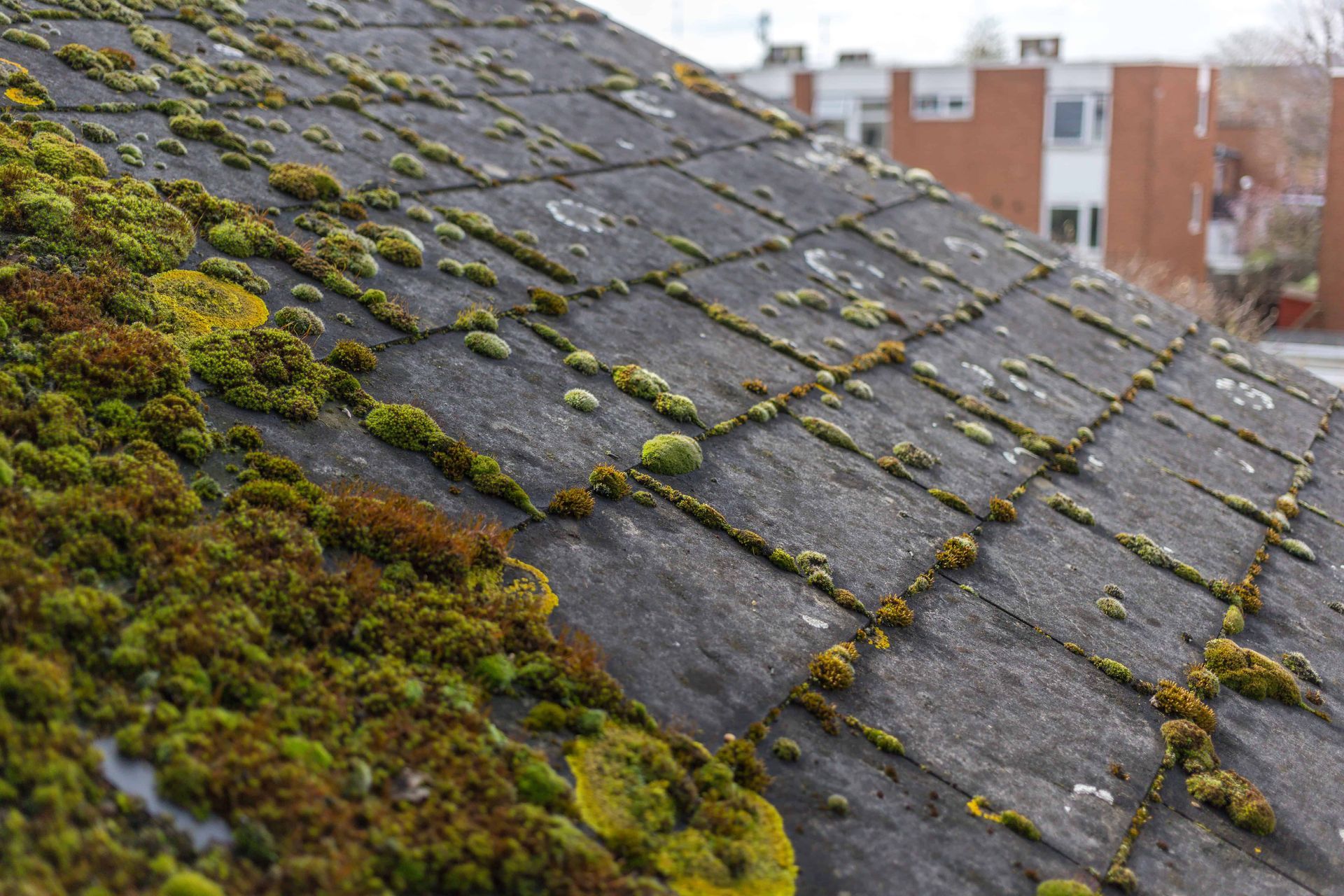
Moss and algae aren't just an appearance issue. Moss holds moisture against the shingle surface, which accelerates granule loss and can eventually lead to wood rot in the decking below. Algae, often visible as dark streaking, feeds on the limestone filler in asphalt shingles, gradually degrading the material's protective qualities over time.
Left untreated, moss growth can also lift shingle edges as it spreads, creating small gaps where wind-driven rain can work its way underneath. In more severe cases, thick moss growth adds weight to the roof and traps debris that further retains moisture against the surface.
Signs Your Roof Needs Cleaning
Dark streaking or discoloration running down the roof slope typically indicates algae growth rather than dirt or debris buildup. Green or brown patches of moss, often concentrated on shaded sections of the roof facing north or under tree cover. Lifted shingle edges in areas with heavier moss growth, which can indicate the moss has already begun affecting the shingle's seal. Granule buildup in gutters near areas of visible moss or algae growth, signaling accelerated shingle wear.
Our Roof Cleaning Process
We use a soft-wash cleaning method rather than high-pressure washing, since pressure washing can strip protective granules from asphalt shingles and shorten their lifespan. Soft-washing applies a cleaning solution designed to kill moss, algae, and lichen at the root, allowing it to be safely rinsed away without damaging the shingle surface.
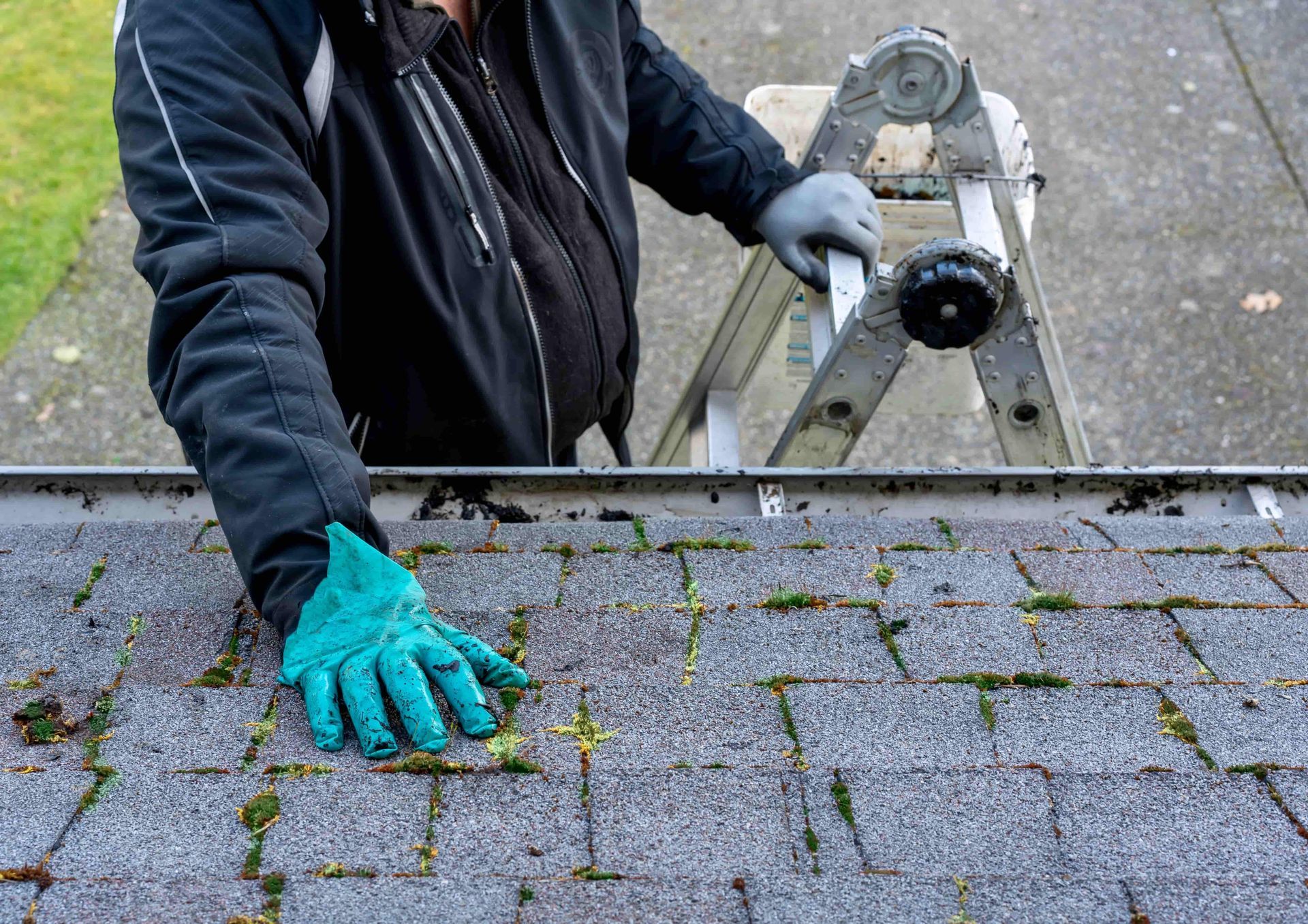
For roofs with established moss growth, we physically remove larger moss clumps by hand before treatment to prevent damage that can occur when moss is pulled forcefully from the shingle surface. This combination approach clears existing growth while treating the surface to slow regrowth.
What Our Cleaning Service Includes
Application of a soft-wash treatment solution formulated to eliminate algae, moss, and lichen without damaging shingles. Careful hand removal of larger moss growth in affected areas prior to treatment. Rinsing of the treated surface to clear away dead growth and residue. Gutter clearing to remove granules and debris that accumulated from the affected areas.
Ask about scheduling a soft-wash roof cleaning service.
Preventing Future Moss and Algae Growth
Cleaning addresses existing growth, but preventing it from returning requires understanding the conditions that allowed it to develop in the first place. Overhanging tree branches that shade portions of the roof create the moisture and reduced sunlight that moss thrives in. Poor attic ventilation can also contribute to excess moisture reaching the roof deck from underneath.
We can recommend preventive measures such as zinc or copper strip installation near the roof ridge, which releases small amounts of metal ions during rainfall that inhibit moss and algae regrowth over time. Trimming overhanging branches to increase sunlight exposure also reduces the conditions that support new growth.
Preventive Steps We Recommend
Installation of zinc or copper strips along the ridge line to slow future moss and algae development. Trimming back tree limbs that shade the roof and contribute to trapped moisture. Regular gutter cleaning to prevent debris buildup that retains moisture against the roof edge. Periodic inspection to catch new growth early before it spreads across larger sections of the roof.
Get a quote for roof cleaning and long-term moss prevention.
When Cleaning Isn't Enough
In some cases, moss and algae damage has already progressed to the point where cleaning alone won't resolve the underlying issue. If shingles have already lost significant granule coverage or the decking beneath has been compromised by trapped moisture, repair or replacement may be a more appropriate next step. We're upfront about this during our assessment rather than recommending cleaning services that won't address the actual problem.
Serving Dalton and Whitfield County Properties
A Quality Roof
provides roof cleaning and moss removal services throughout Dalton and the surrounding Whitfield County area. Our familiarity with the tree cover, humidity, and shading patterns common to this region helps us identify the right treatment and prevention approach for each property.
Frequently Asked Questions
Is roof cleaning safe for asphalt shingles?
Yes, when done using a soft-wash method rather than high-pressure washing. Pressure washing can strip protective granules and damage shingles, while soft-washing safely removes growth without harming the surface.
How often should a roof be cleaned for moss and algae?
Most roofs benefit from cleaning every two to three years, though roofs with heavy tree cover or persistent shading may need more frequent attention.
Does moss actually damage a roof or is it just cosmetic?
Moss can cause real damage by trapping moisture against the shingle surface, lifting shingle edges, and accelerating granule loss, which shortens the roof's overall lifespan.
Can I remove roof moss myself?
Manual moss removal without proper technique can damage shingles or void manufacturer warranties, so professional removal using appropriate methods is generally recommended.
What causes algae streaking on roofs?
Algae streaking is caused by airborne algae spores that feed on the limestone filler in asphalt shingles, thriving in humid, shaded conditions common to wooded properties.
Will roof cleaning remove all the black streaks?
Soft-wash cleaning typically removes the majority of algae staining, though the degree of improvement depends on how long the growth has been present and how deeply it has affected the shingle surface.
How long does it take for moss to grow back after cleaning?
With preventive measures like zinc strips in place, regrowth can often be delayed for several years, though roofs in heavily shaded areas may see growth return sooner without ongoing maintenance.
Do zinc or copper strips really prevent moss growth?
Yes, zinc and copper strips release metal ions during rainfall that create an inhospitable environment for moss and algae, helping slow future growth along the roof surface.
Is pressure washing ever appropriate for roof cleaning?
Pressure washing is generally not recommended for asphalt shingle roofs, as it can strip granules and shorten the roof's lifespan. Soft-washing is the safer standard for most residential roofs.
Can moss growth affect my roof's warranty?
Some manufacturer warranties include provisions related to maintenance and growth-related damage, so addressing moss promptly can help protect your existing warranty coverage.
How much does professional roof cleaning cost?
Roof cleaning costs vary based on roof size, the extent of growth, and accessibility, generally ranging from a few hundred dollars to slightly more for larger or heavily affected roofs.